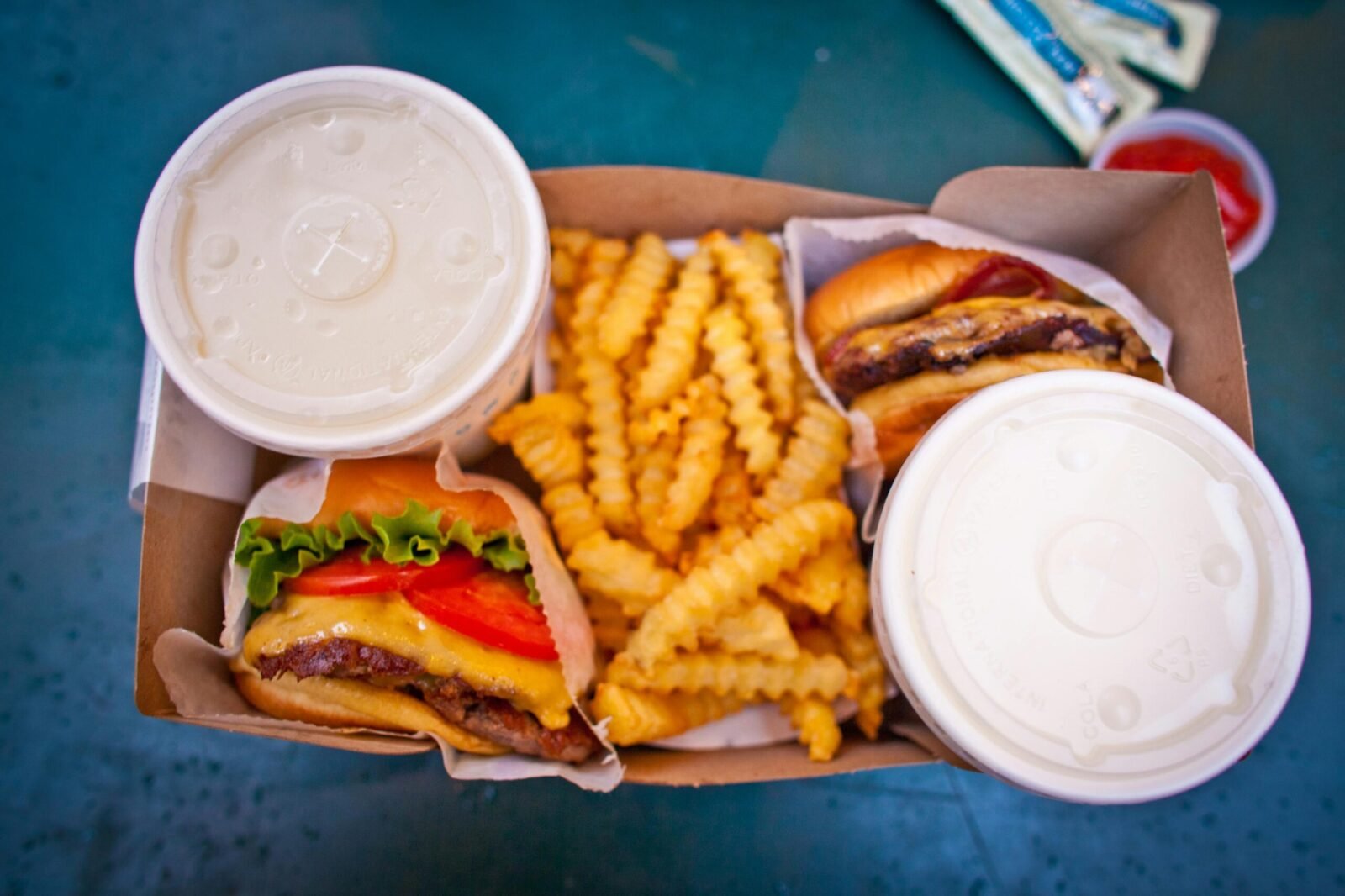
Food costs remain one of the biggest monthly expenses for American households in 2026, with grocery prices projected to rise about 1.7–3% overall. The average single person spends roughly $315–$605 per month (moderate plan around $485), while a family of four can easily hit $1,000–$1,500+. Dining out and takeout add even more. The good news? Simple, proven strategies can cut your food bill by 20–50% without sacrificing nutrition or enjoyment.
This guide shares practical, up-to-date tips to save on groceries, reduce waste, and stretch every dollar while living in the USA.
1. Master Meal Planning & Shopping Lists
The #1 way to slash spending: Plan meals ahead.
- Check your pantry and fridge first to avoid buying duplicates.
- Build a weekly menu around what you already have and what’s on sale.
- Create a strict grocery list and stick to it — no impulse buys.
- Use free or low-cost apps like Samsung Food, Cozi, BigOven, Mealime, or Paprika to generate lists automatically from recipes.
Pro tip: Plan around “Meatless Mondays” or cheaper proteins (beans, eggs, lentils, pork) to cut costs further. Leftovers should become next day’s lunch or dinner.
2. Shop Smarter: Sales, Store Brands & Timing
- Download your local store’s app (Kroger, Walmart, Aldi, Publix, etc.) for digital coupons, loyalty rewards, and personalized deals.
- Shop the perimeter (produce, dairy, meat) instead of middle aisles full of expensive snacks.
- Buy store brands/generic — savings of 30–70% on staples like pasta, rice, yogurt, and cheese.
- Go shopping after eating — hungry shoppers spend up to 20% more.
- Buy in bulk only what you’ll actually use and freeze extras (rice, potatoes, pork chops, canned goods).
Inflation-proof staples in 2026: Potatoes, rice, canned tuna, apples, pork, beans, oats, and frozen vegetables.
3. Reduce Food Waste (A Hidden Budget Killer)
- Use the “first in, first out” rule: Eat older items first.
- Freeze bread, herbs, bananas, cooked meals, and excess produce.
- Turn wilting veggies into soups, stir-fries, or smoothies.
- Track what you throw away each week and adjust future shopping.
Many households save $50–$100+ monthly just by wasting less.
4. Cut Dining Out & Takeout
- Cook from scratch most nights — homemade meals cost a fraction of restaurant prices.
- Limit eating out to once or twice a week and use apps for deals (e.g., restaurant rewards or happy hour specials).
- Prep batch meals on weekends (chili, casseroles, overnight oats) for busy weekdays.
5. Leverage Discounts, Apps & Community Resources
- Stack coupons + loyalty programs + sales for maximum savings.
- Use Flashfood or Too Good To Go apps for discounted near-expiry groceries and restaurant meals.
- Shop discount stores: Aldi, Lidl, Walmart, Dollar Tree (for pantry staples), or ethnic markets for cheaper produce/spices.
- Check clearance sections and markdown carts daily.
- Join community-supported agriculture (CSA) boxes or discounted “seconds” produce programs.
6. Smart Protein & Produce Strategies
- Choose cheaper proteins: Eggs, beans, lentils, peanut butter, canned fish, chicken thighs, ground turkey, or pork instead of premium beef.
- Buy seasonal produce (cheaper and tastier) or frozen fruits/vegetables — they’re just as nutritious.
- Grow simple herbs or microgreens at home (even on a windowsill) for free flavor.
Realistic Savings Breakdown (2026)
- Meal planning + list: Save $50–$150/month
- Store brands + generics: Save $75–$100/month
- Reducing waste + freezing: Save $30–$80/month
- Cutting takeout: Save $100–$300+/month
Many families report dropping their grocery bill from $800+ to under $500 with consistent habits.
Tools & Resources to Help
- Apps: Ibotta or Fetch for cashback on groceries; Flipp for weekly ads.
- Websites: USDA Food Plans for budget guidelines; store apps for deals.
- Budget Calendar: Track spending and set a realistic monthly food limit.
Final Tips for Long-Term Success
- Review your grocery receipts monthly to spot leaks (snacks, drinks, convenience items).
- Set aside 20% of your food budget as a “stock-up fund” for big sales.
- Cook in bulk and portion for the freezer.
- Stay flexible — adjust meals based on what’s cheapest that week.
Conclusion: Eat Well Without Breaking the Bank in 2026
Saving money on food while living in the USA is all about planning, smart shopping, and minimizing waste. Start with one or two changes this week — like creating a meal plan and downloading your store’s app — and watch the savings add up quickly.
Small habits compound into hundreds (or thousands) of dollars saved each year. Ready to lower your food bill? Pick your first strategy today and track your progress. What’s your biggest food expense right now, or what saving hack has worked best for you? Share in the comments — we’d love to hear real tips from households across the USA!